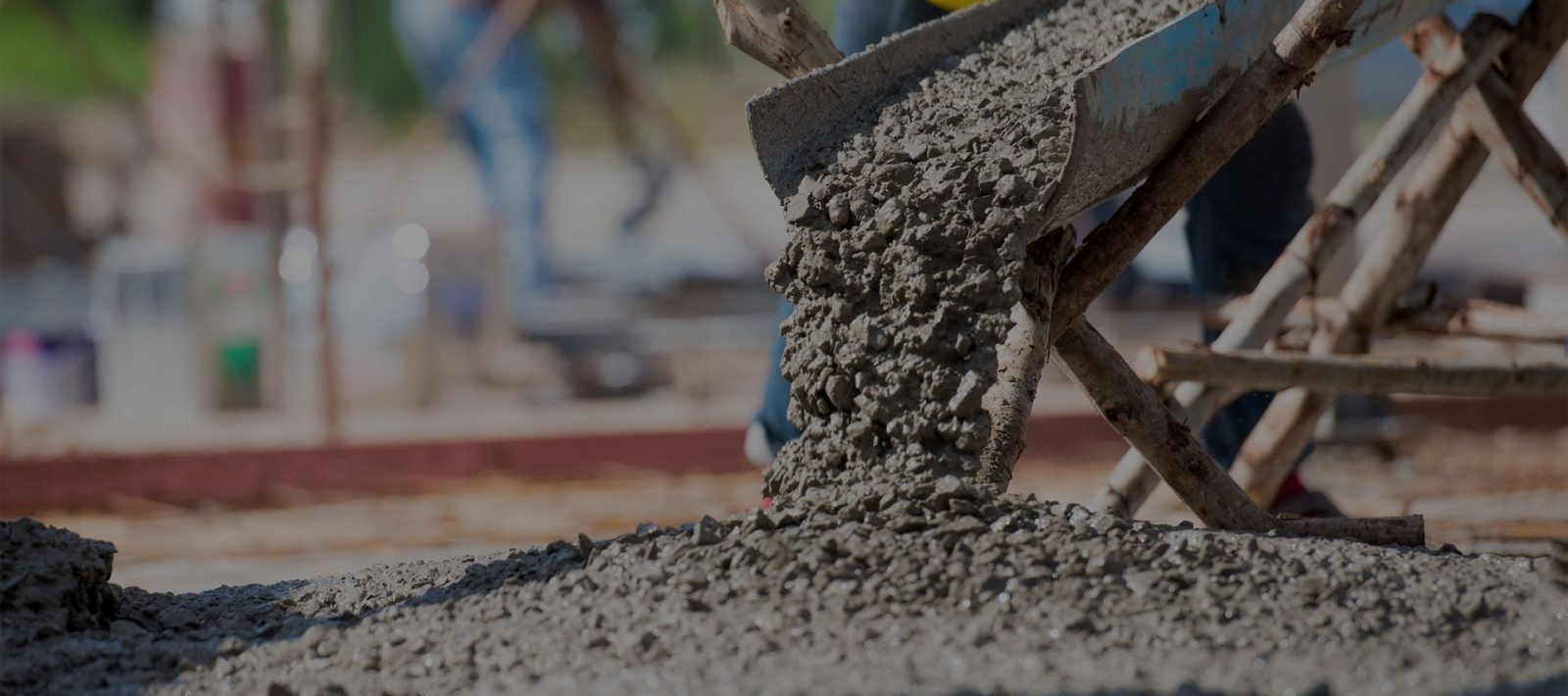
Concrete has two basic categories; Interior and Exterior. Interior concrete is used where freezing will never occur and Exterior concrete is used in areas that may or will experience freezing. Exterior concrete contains an admixture known as air entrainment. This product, when added and mixed properly in the batch, will produce countless numbers of microscopic air pockets. These pockets allow space for the moisture drawn into the concrete to expand when moisture freezes. A glass bottle, when filled to the top, capped and placed in the freezer, will shatter. When a glass bottle is only filled partially and frozen, the shattering of the container will not occur. This is due to the fact that the liquid in the container has room to expand within the container as it froze. The air pockets within \”air entrained\” concrete will allow for expansion in a similar fashion.
Concrete can also be categorized as footing mix and slab mix. The differences inherent in these two is based upon the mix strength. This strength is a factor of the amount of cement placed in each cubic yard. a 2,500 psi mix is a basic footing mix. Higher strength mixes, 3000, 3500, 4000, 4500 and so on, have more cement in the mix design. In addition, footings are placed at a greater thickness ( approximately 10 to 12 inches) and do not require as much cement. Driveways and sidewalks are placed at a thickness of approximately 3 to 4 inches and more cement is needed to bring about strengths needed to support vehicles.

 +1 (704) 906-9836